Motorized vs. Traditional Blinds
Motorized Shades vs. Traditional Blinds:
The Ultimate Guide for Modern GTA Condos & Homes
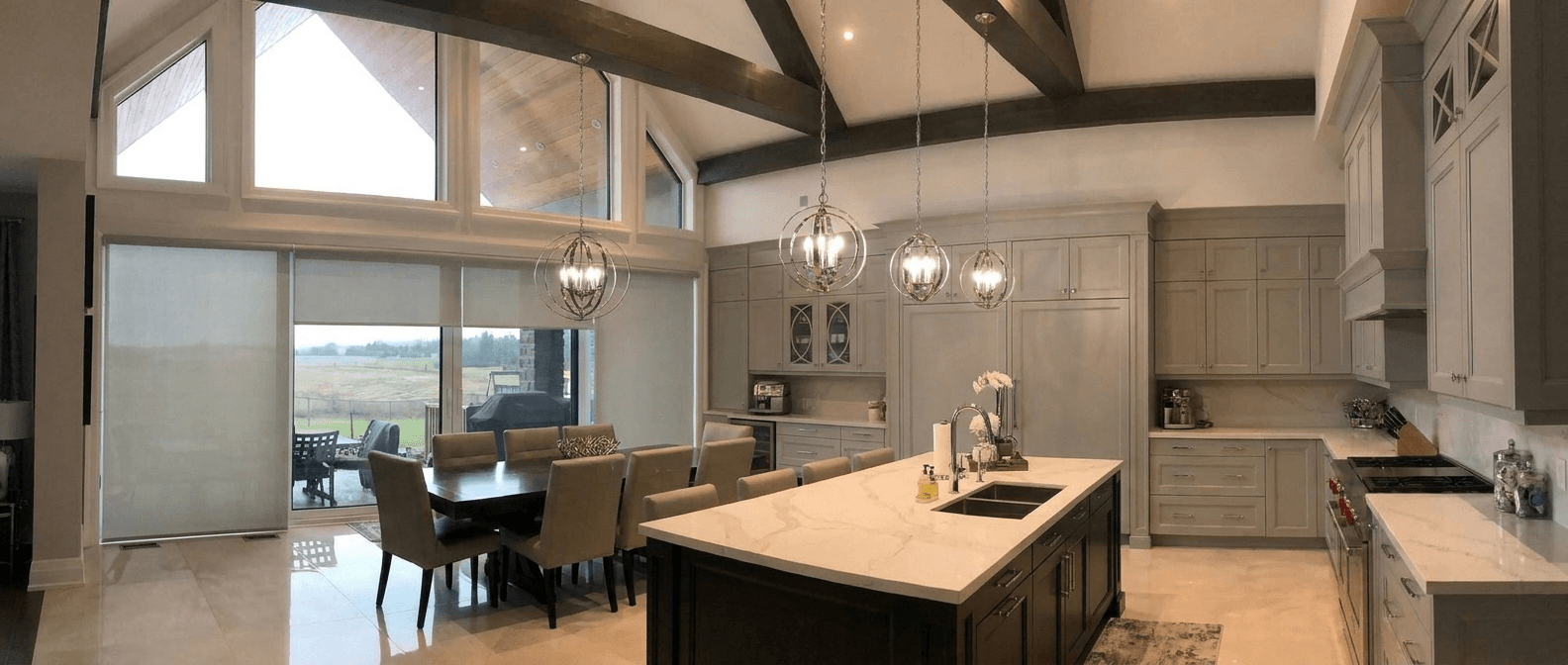
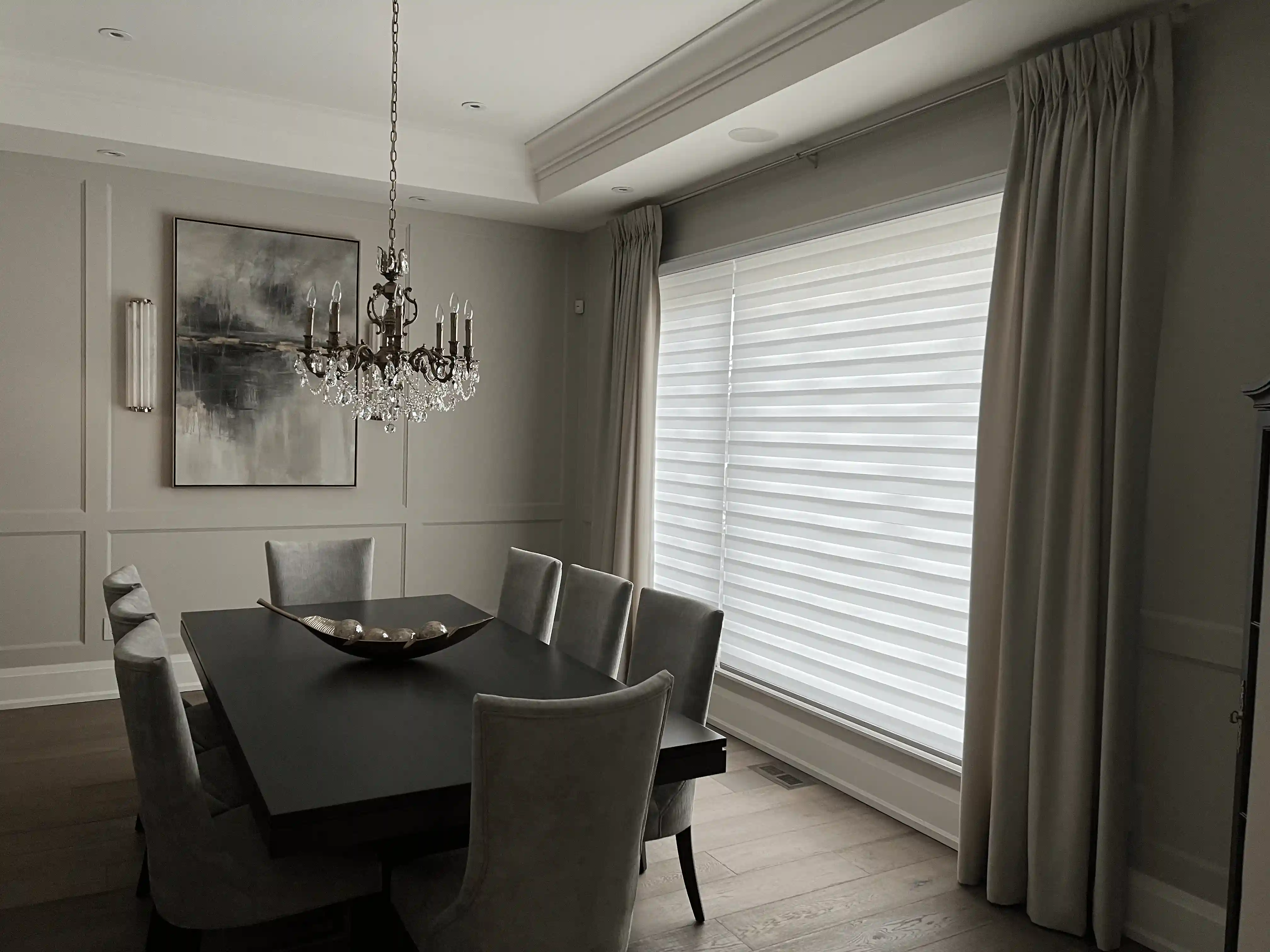
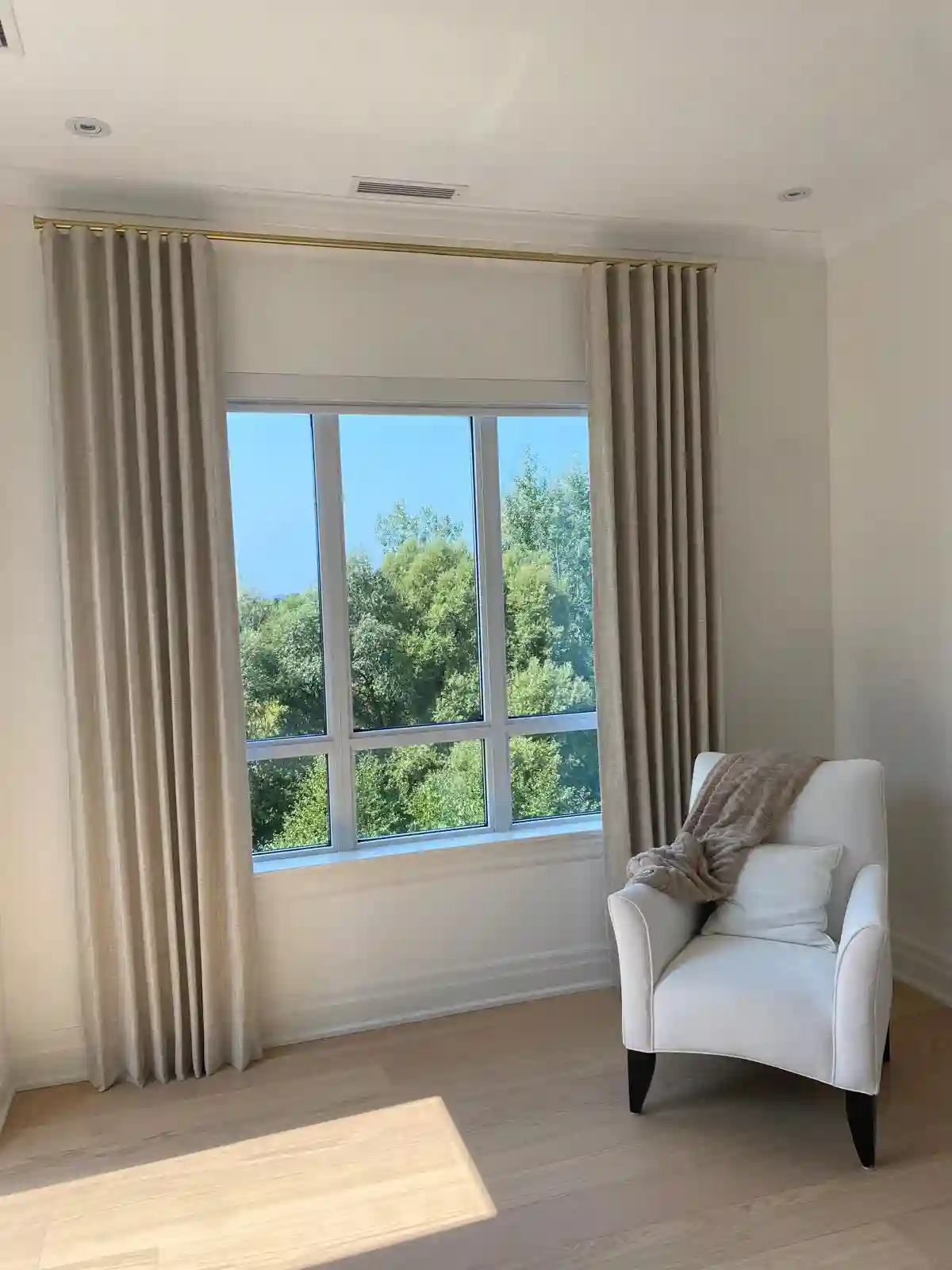
Large floor-to-ceiling windows define modern architecture across Toronto, Mississauga, Vaughan, and the wider GTA. While expansive glass floods living spaces with natural light and stunning urban or ravine views, it also brings significant challenges: harsh daytime glare, UV damage to hardwood floors, summer heat buildup, and privacy concerns at night.
When selecting window treatments for your home, the decision almost always comes down to choosing between traditional manual blinds and automated motorized shades. Both options have their place, but understanding how they compare in terms of everyday functionality, energy efficiency, safety, and long-term value will help you make the best choice for your space.
1. Convenience and Accessibility
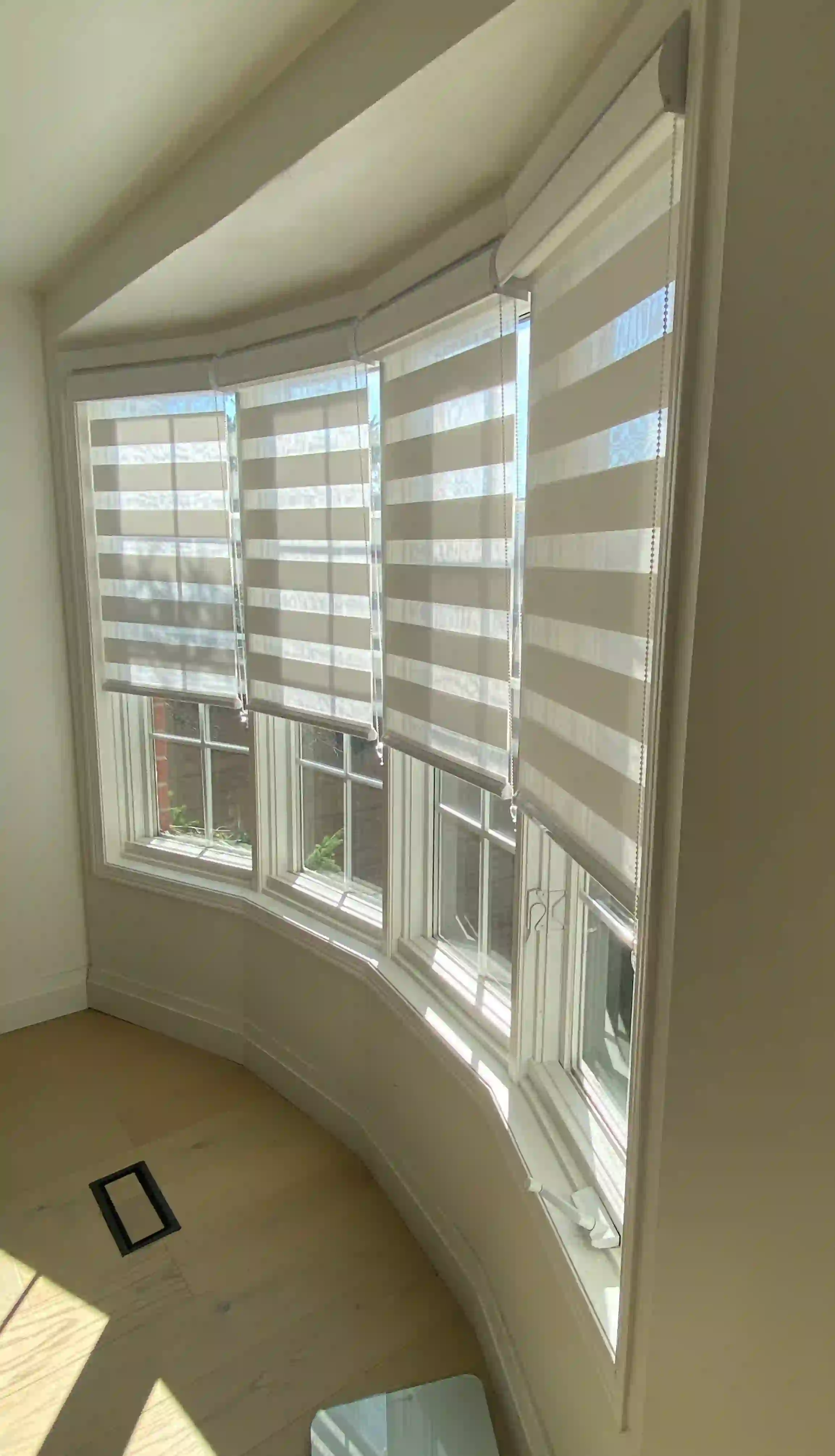
Adjusting a couple of standard manual blinds in a small bedroom is straightforward. However, modern GTA homes and high-rise condos frequently feature wide banks of glass, double-height foyers, or windows positioned directly behind deep kitchen counters or soaking tubs.
- Traditional Blinds: Reaching over furniture or using extension poles to adjust high or wide window coverings quickly turns into a daily chore. As a result, difficult-to-reach blinds often stay permanently open or closed, defeating their purpose.
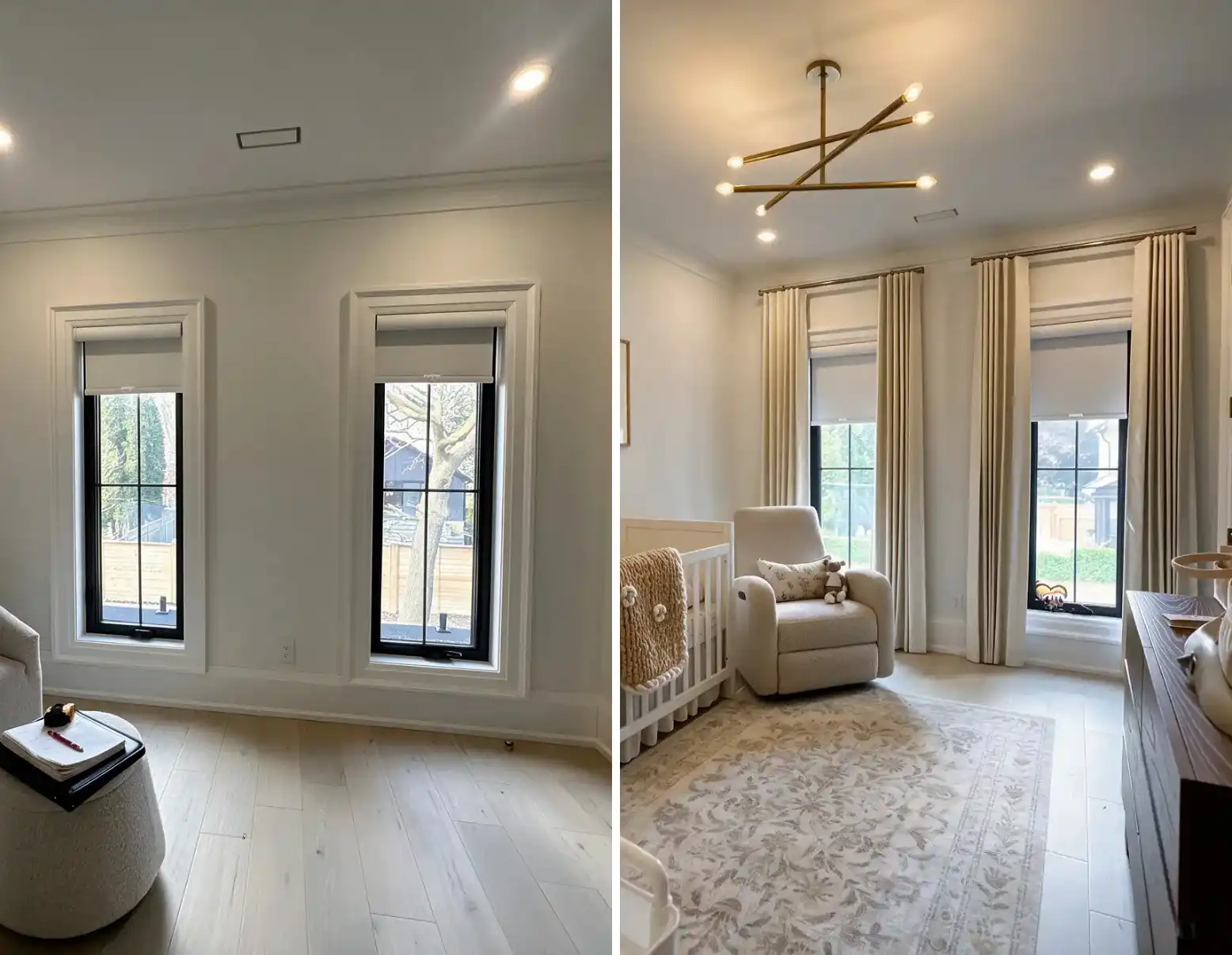
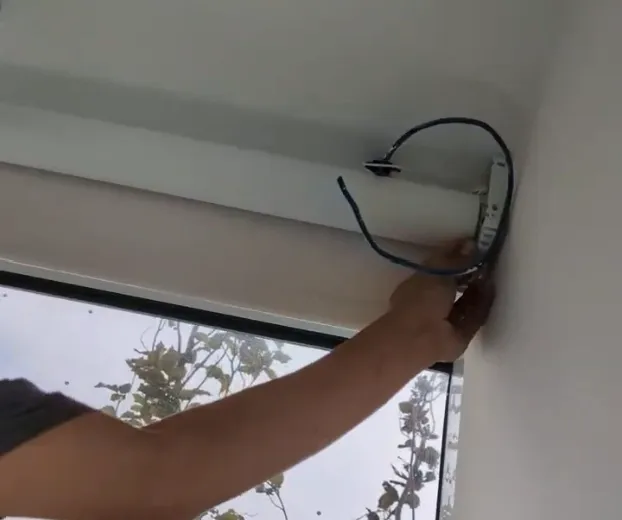
- Motorized Shades: Motorization gives you effortless control over every window in your home. With a simple press of a button on a sleek wall switch, a tap on your smartphone, or a quick voice command, you can lower a single shade or synchronize twenty windows simultaneously.
2. Energy Efficiency and Solar Heat Management
Floor-to-ceiling glass acts like a magnifying glass during hot Canadian summer afternoons, driving up indoor temperatures and forcing your air conditioning system to work overtime.